Tips for maintaining your chastity cage
of reading - words
In a world where hygiene and comfort cannot be compromised, maintaining a chastity cage becomes a delicate and essential matter. Each material, whether stainless steel, silicone, or plastic, requires specific attention to ensure the durability and hygiene of your device. This article is a comprehensive guide to help you navigate recommended maintenance practices, ensuring the safety and optimal comfort of your chastity cage.
The question of how to maintain a chastity cage is paramount to ensuring both your comfort and safety. Between the different materials used, such as stainless steel, silicone, or plastic, each requires specific care to remain in good condition. In this article, we will explore the best practices for keeping your device in optimal condition.
1. Materials and their specific maintenance requirements
Types of materials used for chastity cages
Chastity cages are made from various materials such as stainless steel, silicone, and plastic. Materials like stainless steel are known for their durability and ease of cleaning, while silicone and plastic are valued for their comfort and flexibility.
Specific maintenance advice for each material
Let's now look at some maintenance tips, categorized by material type. For stainless steel, regular cleaning with soapy water is sufficient, while silicone and plastic may require gentler care, using alcohol-free soaps to prevent damage. Drying after each cleaning is crucial for all materials.
Prevent deterioration and ensure hygiene
Proper maintenance is essential to prevent problems such as deterioration, corrosion, and unpleasant odors. Investing a little time each day to clean your chastity cage will help you maintain excellent hygiene and extend the device's lifespan.
2. Daily and weekly maintenance routine
Daily cleaning
Daily cleansing is essential to prevent infections and maintain comfort. Simple, warm, soapy water applied gently will do the trick. Keep in mind the importance of this routine for your well-being.
Weekly inspection
For safety and comfort, a weekly inspection is recommended. Check for cracks, rough areas, or any other signs of wear that could cause irritation or injury.
In-depth interview
In addition to cleaning, thorough maintenance and regular disinfection, carried out with specific products, are recommended to maintain impeccable cleanliness of your chastity cage.
3. Recommended and to-avoid products
Recommended cleaning products
When cleaning your cage, choose specific cleaning products recommended by the manufacturer. These products are designed to clean without damaging the materials.
Products to absolutely avoid
Be careful with products containing harsh substances. Solvents and alcohol-based products, for example, can damage certain plastics and silicones. Always use a gentle approach.
Natural alternatives
For a more ecological approach, some natural alternatives can be adopted for the maintenance of your chastity cage, such as the use of Marseille soap or vinegar-based solutions for resistant materials.
4. Solve common problems
Rust and corrosion
To prevent rust and corrosion, especially on metal cages, be sure to dry your device thoroughly after each cleaning. Applying a suitable lubricant can also help protect it.
Odors and hygiene
Maintaining good hygiene is essential to avoid unpleasant odors. Regular cleaning and the use of appropriate products are your best allies.
Everyday comfort
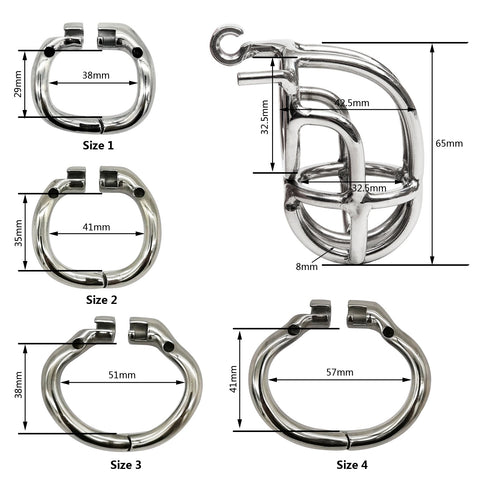
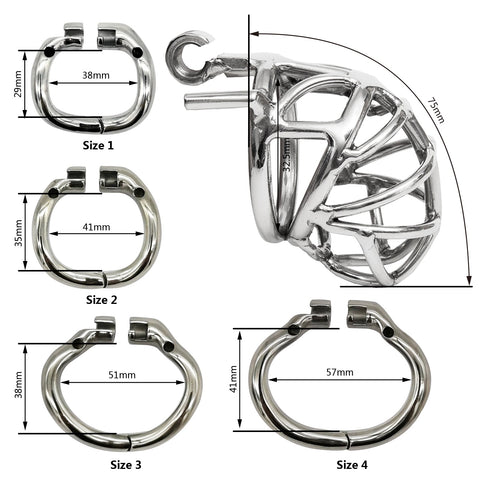
To ensure your daily comfort, especially during prolonged wear, it is important to choose a cage of the right size and follow the appropriate care instructions.
In summary, regular attention to the maintenance of your chastity cage is essential for maintaining good hygiene and ensuring your comfort. By adopting a structured routine and using the appropriate cleaning products, you help extend the lifespan of your device while preserving your well-being.